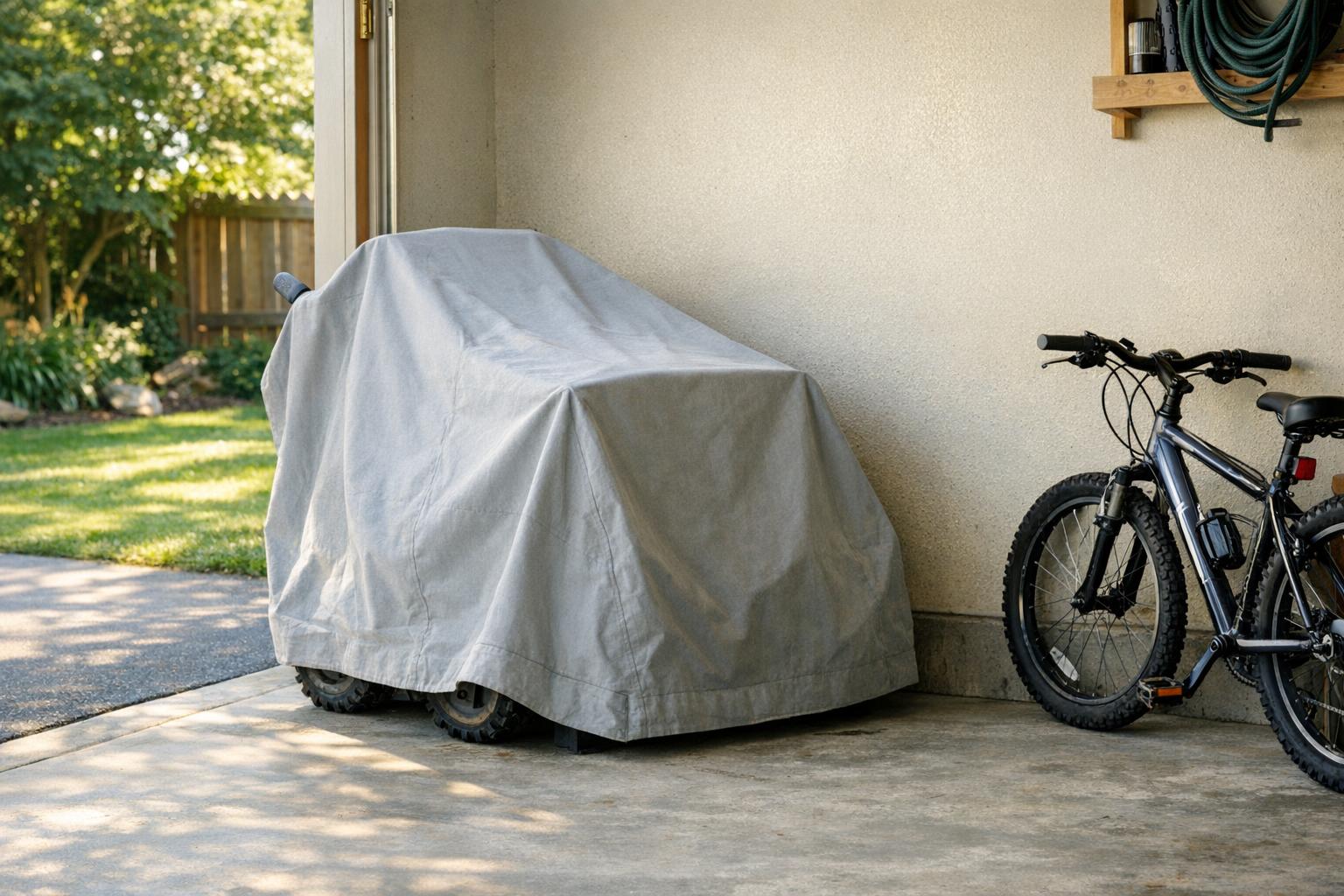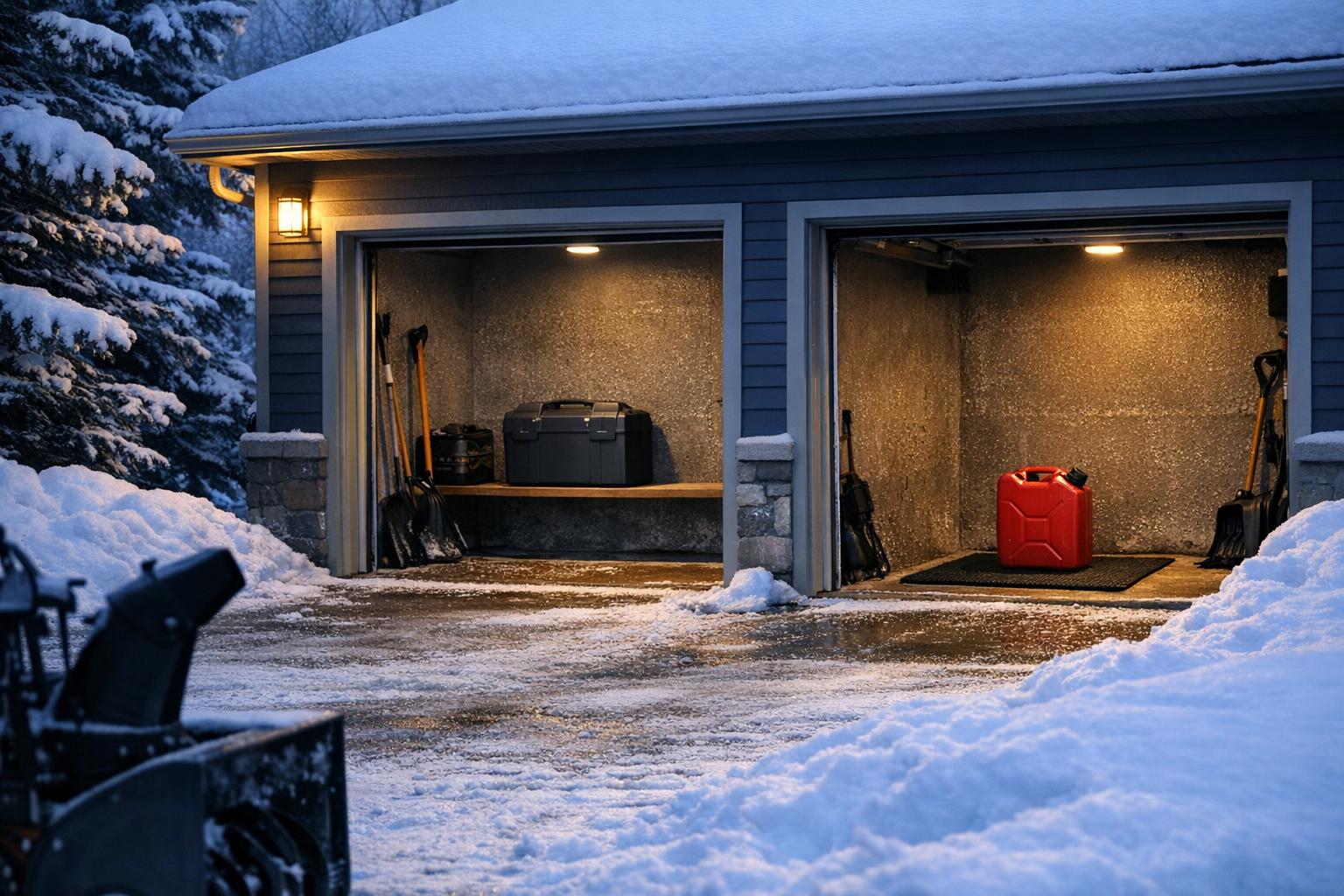
Battery-powered two-stage snow blowers have moved from novelty to a genuine alternative, and the choice between battery and gas is now a real decision rather than a foregone conclusion. Neither platform wins outright. What separates them is a set of ownership tradeoffs - fuel logistics, maintenance burden, noise, and the way each behaves at the end of a long clearing session - that matter differently depending on your driveway and your tolerance for engine upkeep.
What the two platforms actually share
A two-stage machine of either type works the same way: a serrated auger breaks up snow and feeds it to a separate impeller that throws it through the chute. The stage count, not the power source, is what handles depth and heavy wet snow. Both platforms are available with self-propelled drive, electric chute controls, heated grips and headlights.
That shared architecture is why this comparison is about ownership rather than capability in the abstract. Compare documented clearing width, intake height and stated throw distance listing by listing, as our battery and gas two-stage comparison does, rather than assuming one platform is inherently more capable.

The case for battery
Battery machines start on the first press in cold weather, need no fuel stabiliser, no oil changes, no spark plug and no carburettor. They are markedly quieter, which matters at six in the morning in a dense neighbourhood, and they produce no exhaust, so starting one inside an open garage carries none of the carbon monoxide risk that makes gas starting a strictly-outdoors activity.
The maintenance saving is real and recurring. Much of the routine work described in the maintenance basics simply does not apply, and the summer storage guide becomes a matter of battery storage practice rather than fuel management.
The cost of the battery itself
The honest counterweight is battery cost. High-capacity packs are a significant share of the purchase price, and they are the component that ages. Manufacturers publish charge and storage recommendations for a reason; following them is the difference between a pack that lasts many seasons and one that does not. A second set of packs, if you need it for a long driveway, is a substantial additional purchase rather than a five-dollar can of fuel.
Runtime is also finite per charge. Manufacturers state coverage in terms of driveway sizes at a given snow depth, but those figures assume conditions you may not have. Treat them as documentation, not as a guarantee.
The case for gas
Gas remains the answer for long clearing sessions. A tank can be refilled in a minute and the machine keeps working; a depleted battery needs a charger and time. On rural properties, long approaches and repeated heavy events, that difference decides the platform. Gas machines also dominate the widest end of the market, where the largest augers and heaviest frames are found - see the 28 inch and wider comparison for listings in that class.
Fuel must be bought, stored and rotated, and it must be stored safely away from ignition sources. Ethanol-blended fuel and small engines have a complicated relationship; consult the manual for the fuel specification the manufacturer requires.
Noise, neighbours and where you start it
A gas two-stage machine is loud enough that hearing protection is a reasonable precaution, and loud enough to be a genuine consideration in a neighbourhood with close houses. Battery machines are quieter but not silent - the impeller and the snow itself make noise regardless of what turns them.
Carbon monoxide is the non-negotiable difference. Never run a gas engine in a closed or partially closed garage, shed or breezeway. Start it and run it outdoors, always. This point is covered further in the safety essentials.
Cost over the life of the machine
Purchase price is the easy comparison and the least informative one. A gas machine adds fuel, stabiliser, oil, spark plugs and periodic dealer service across its life. A battery machine adds electricity, which is trivial, and eventually a replacement pack, which is not. Neither total is knowable in advance because both depend on how many hours the machine actually runs and how long you keep it.
What you can compare honestly is the shape of the spending. Gas costs a little continuously; battery costs a lot occasionally. If an unpredictable large expense several seasons out is worse for you than a steady small one, that is a legitimate reason to choose gas, and the reverse is equally legitimate.
Choosing between them
Short suburban driveway, close neighbours, no appetite for engine maintenance: battery is a strong fit. Long driveway, heavy repeated snowfall, or a preference for refuelling over recharging: gas. Both answers are legitimate, and both are better answers than picking on brand reputation alone.
Be honest about the driveway rather than the worst storm you can imagine. Most buyers size for a once-a-decade event and then live with the consequences every other week. The measured surface, not the memory of one bad winter, is what should drive the decision.
Whichever platform you choose, size it by surface first using the clearing-width guide, then compare individual listings on documented specifications. Never clear a clogged chute or auger housing with your hands. Shut the machine off, remove the key or battery pack, wait for every moving part to stop, and use the clean-out tool supplied with the machine.